Crafted Wood Traditions and Wellness from the Black Forest
The Living Legacy of Woodcraft in Mountain Regions
Wood has always carried stories, especially in regions where forests shape daily life. In mountain landscapes, timber is not just a resource but a companion to culture, shelter, and rhythm of work. Generations of artisans have learned to read grain patterns, respect seasons, and work patiently with hand tools. These traditions survive because they remain useful and meaningful. Even today, wooden elements connect people to nature in a quiet, grounding way. The warmth of natural material creates trust, comfort, and a sense of continuity that modern substitutes rarely achieve.
How Traditional Techniques Shape Modern Appreciation
What makes traditional woodworking special is not nostalgia but relevance. Old techniques focused on durability, repairability, and harmony with the environment. Modern audiences are rediscovering these values as sustainability becomes essential. The careful selection of wood, slow drying, and precise shaping all contribute to products that age gracefully. Instead of chasing trends, these techniques prioritize long-term use. This mindset resonates strongly today, where people want fewer but better objects. Woodcraft thus becomes a bridge between past wisdom and present needs, offering reliability in a fast-changing world.
Architecture and Nature Working in Balance
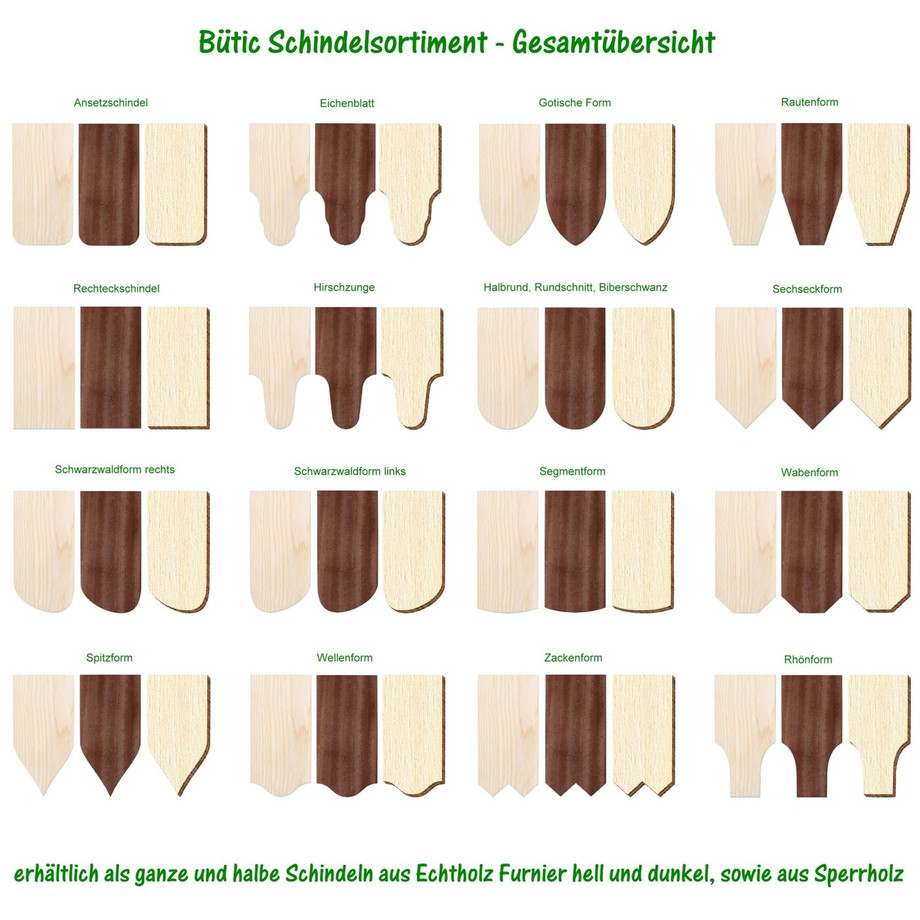
In forested regions, architecture developed in conversation with climate and terrain. Roofs, walls, and surfaces were designed to protect while blending into surroundings. A well-known example is the use of Holzschindeln Schwarzwald, which reflects how natural materials can be both functional and beautiful. These wooden shingles manage weather efficiently while aging with character. Their presence shows respect for local resources and skilled labor. Such elements are not decorative afterthoughts; they are practical solutions refined over centuries, proving that harmony with nature is achievable through thoughtful design.
The Emotional Comfort of Natural Materials Indoors
Beyond buildings, wood shapes interior experiences. Touching wood feels different from touching metal or plastic. It carries warmth, subtle texture, and a calming presence. Homes that include wooden objects often feel more grounded and welcoming. This emotional response is not accidental; it is deeply human. When people surround themselves with natural materials, stress levels can ease, and focus can improve. Wood invites slower interactions, reminding users to pause. In this way, traditional craftsmanship quietly supports mental well-being without making bold claims or demanding attention.
Wellness Practices Rooted in Simplicity
Wellness does not always require complex systems or technology. Sometimes, the simplest tools are the most effective because they encourage awareness of the body. A thoughtfully crafted Massagerolle Holz is one such example, using natural form and weight to support relaxation. Wood offers firmness without harshness, making movements feel controlled and intentional. The experience feels grounded rather than mechanical. This simplicity helps users reconnect with their bodies, turning routine self-care into a mindful ritual that fits easily into daily life.
Sustainability Through Respect and Longevity
Sustainability begins with respect for materials and ends with products that last. Traditional woodcraft emphasizes using what is needed and wasting little. Items are designed to be repaired, reused, and passed on. This approach reduces constant replacement and lowers environmental impact. When people choose durable wooden products, they support slower consumption patterns. Over time, this mindset builds a healthier relationship with belongings. Sustainability then becomes a natural outcome of good design rather than a marketing promise, rooted in common sense and responsibility.
A Thoughtful Conclusion on Craft and Care
Wooden traditions continue to thrive because they adapt without losing their core values. They offer comfort, durability, and a meaningful connection to nature. Whether in architecture or personal wellness, these practices remind us that quality matters more than speed. By honoring skilled craftsmanship and mindful use, companies like Bütic GmbH help keep these traditions relevant today. The result is not just well-made products, but a quieter, more balanced way of living that respects both people and the environment.


Comments
Post a Comment